
How ALTA Survey Data Guides Commercial Land Purchase Decisions
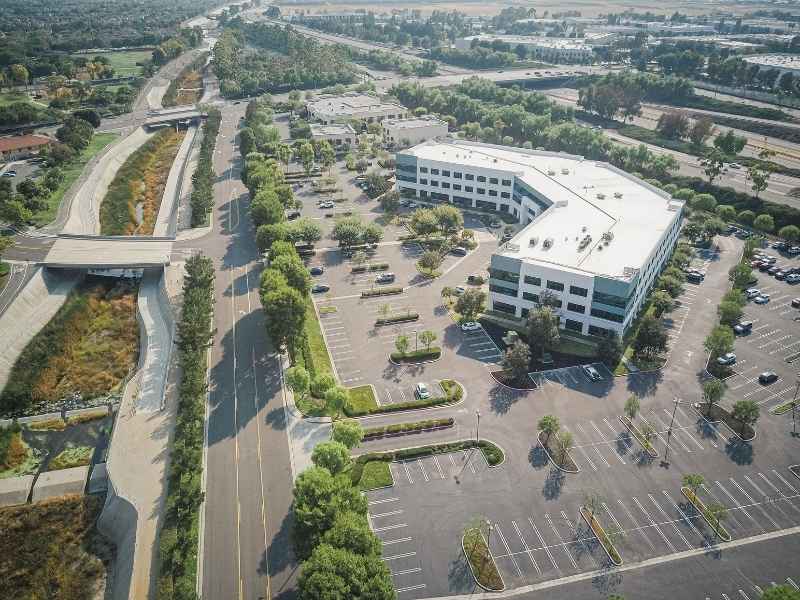
ALTA survey data can make or break a commercial land deal. Not because it’s complicated. Because it tells you the truth about a property before you sign anything. A buyer who reads that data closely can catch a problem early. A buyer who skims it can end up owning land that doesn’t work for their plans.
Compare ALTA Survey Data With the Planned Commercial Use
Every buyer has a use in mind before they even look at a lot. Retail. Office space. A warehouse. Maybe a mixed-use project with shops on the ground floor and offices above.
The survey shows what’s really on the site. Compare the two side by side. Does the mapped land support the plan, or does it get in the way?
A lot that looks perfect on a listing sheet might have a drainage channel cutting across the spot where the building was supposed to go. Or a driveway easement running right through the planned entrance. The survey shows this. The listing sheet usually doesn’t.
Check this early, before you get attached to the property. It’s much easier to walk away from a bad fit than to force a plan onto land that won’t cooperate.
Use Survey Information to Identify Constraints on Future Site Layout
Survey data shows where things sit right now: structures, paved areas, access points, utility lines. That information tells a buyer whether the building footprint they want will actually fit, whether the loading area has room to work, and whether parking can expand later without running into a wall or a slope.
This isn’t about listing every easement and setback on the property (your team will dig into those separately). This is about answering a simpler question: can I actually build what I want to build here? The survey gives you the facts to answer that before you own the land.
Evaluate Whether the Property Can Support Future Expansion
Most commercial buyers aren’t just thinking about day one. They’re thinking about year five, or year ten.
Survey data can help with that too. A site that works fine for a single building today might have no room left for a second phase. Or it might have plenty of open land that a listing photo never showed clearly.
Look past the current condition of the property. Ask what the survey tells you about future additions, a second building, or room to grow operations. A property that looks tight now but has a real expansion room can be worth more than one that looks open today but is actually boxed in by slopes, easements, or drainage areas.
This kind of long-term thinking separates a good purchase from a great one. It’s the difference between buying a building and buying an investment.
Coordinate ALTA Survey Findings With the Buyer’s Due Diligence Team
A survey means different things to different people. An attorney reads it for title and legal risk. An engineer reads it for grading and utilities. An architect reads it for buildable area. A lender reads it to protect their loan. A buyer reads it to protect their money.
Get these people looking at the same survey together, not in isolation. One professional might spot something the others miss. An engineer might flag a slope that doesn’t concern the attorney at all. An attorney might flag a title issue the engineer wouldn’t think to check.
Coordinating the review this way helps the team understand whether the commercial purchase still fits the buyer’s plans before closing. Maybe a title company needs to research an old easement. Maybe an engineer needs to visit the site in person. Better to find that out now than after closing.
Turn ALTA Survey Findings Into a Clear Purchase Decision
At some point, the review has to turn into a decision. Buy or don’t buy. Move forward or walk away.
Not every item on a survey deserves equal weight. Some findings are routine, like a standard utility easement along a property line that every commercial lot has. Others are serious, like a drainage easement running through the middle of your planned building site, or a slope steep enough to threaten your parking plan.
Separate the routine from the serious. Ask how each real issue might affect development costs, future improvements, or what the property is actually worth. A survey isn’t just a checklist to confirm before closing. It’s one of the clearest tools a buyer has for deciding whether a deal makes sense at all.
Frequently Asked Questions
Can ALTA survey data affect whether a buyer purchases commercial land?
Yes. Survey findings can shape a buyer’s decision when the mapped site conditions conflict with the intended use, limit development potential, or raise concerns about long-term plans for the property.
Who should review an ALTA survey during commercial land due diligence?
The buyer often benefits from having the survey reviewed alongside the other professionals on the deal, especially when site conditions raise questions that need legal, engineering, design, or title expertise.
Should buyers review an ALTA survey based on their future plans for the property?
Yes. A buyer should look past the property’s current condition and consider whether the survey supports future expansion, redevelopment, or a change in how the land will be used.
