
As-built Surveys After Construction: What Owners Should Keep on File
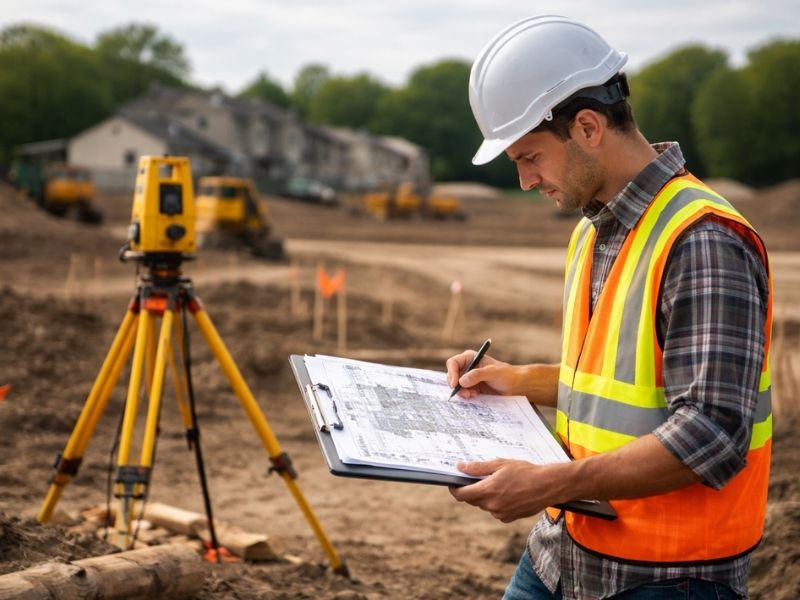
Most property owners finish construction and move on. The paperwork gets stuffed in a drawer or lost. That’s a mistake. It shows up later when you try to refinance, renovate or deal with the city. An as-built survey is one document you must keep after any construction project. This article explains what it is, what it includes and why losing it will cost you.
What an as-built Survey Is
An as-built survey records what was actually built on a property. It’s not the same as the original plans. During construction , things change. Walls shift. Utility lines get moved. Setbacks get adjusted in the field. The original blueprints rarely match what ends up in the ground.
An as-built survey captures all of that. It shows where structures, utilities and improvements ended up after the construction project was done. Think of it as a record of what exists, not what was planned.
A licensed land surveyor prepares the document. It’s based on real field measurements, not design drawings.
Why Developers Should Never Skip It
Skipping an as-built survey saves a little money now. It costs far more later.
Lenders often require one before releasing final funds on a construction loan. Without it, a draw can get held up. Title companies need it to confirm that nothing built crosses into an easement or a neighboring lot.
Local governments use it to check that what got built matches what got permitted. If your structure ended up in a different spot than the approved site plan shows, you need a document that explains why. An as-built survey does that.
When you sell, refinance or expand, the next lender or buyer will ask for records. If you don’t have an as-built survey, you pay for a new one anyway.
What the Survey Covers
The exact contents depend on the project. Most as-built surveys include:
- The final location of all structures relative to property lines and easements
- The position of underground utilities such as water lines, sewer lines, gas lines and electrical conduit
- Finished floor elevations and grade elevations around the structure
- Driveways, parking areas and sidewalks
- Retaining walls and drainage features
- Any encroachments onto neighboring properties or public rights-of-way
Commercial and multi-family projects often include utility tie-in locations and storm drainage details. Residential surveys focus more on structure location, finished floor elevation and utility connections.
Other Documents to Keep With the Survey
An as-built survey works best when kept with other key records.
The original permitted site plan shows what was approved. The as-built survey shows what was-built. Keep both together. That way you can explain any differences to a lender or building official without delay.
Final inspection records confirm the project passed all required checks. In Alabama, local municipalities issue certificates of occupancy or final inspection sign-offs. File those with the as-built survey.
Utility connection records show where service lines were connected and how deep. Keep those too. They matter when a line needs repair or extension later.
If the project sits in a flood zone, keep the elevation certificate with the as-built survey. Together they show where the structure is and how high it sits above the flood line.
How Long to Keep It
Keep it forever.
Property records don’t expire. An as-built survey done today may be the most important document a future owner has when they pull a permit for an addition in twenty years. Losing it means paying for a new survey.
Keep a printed copy in a fireproof spot. Keep a digital copy backed up off-site. Don’t count on the original surveyor still having it years down the road.
What Developers Need to Know
In Alabama, only a licensed Professional Land Surveyor can prepare and certify an as-built survey. Lenders, title companies and government offices won’t accept one from anyone else.
Many municipalities in Shelby County, including Chelsea, require as-built surveys as part of final construction closeout. Check with your local building department before assuming it’s optional.
If the project involves work in a FEMA Special Flood Hazard Area, an elevation certificate is typically required before a certificate of occupancy gets issued.
Frequently Asked Questions
What is an as-built survey and when is it done?
An as-built survey records the final location of structures, utilities and improvements after construction ends. It’s done at the close of a project to show what was actually built, since field changes during construction often differ from the original plans.
Who needs an as-built survey?
Developers, property owners and builders who complete any construction project. Lenders, title companies and local governments often require one before releasing funds, issuing insurance or approving final occupancy.
How is an as-built survey different from a construction drawing?
A construction drawing shows what was planned. An as-built survey shows what was-built, measured in the field by a licensed land surveyor after work is done. The two rarely match exactly.
Do I need one for a residential project in Alabama?
Many construction lenders require one before releasing final draws. Some local governments require it for permit closeout. Even when it’s not required, having one protects you during future sales, refinancing or renovation permits.
How long should I keep an as-built survey?
Keep it permanently. It doesn’t expire. Store both printed and digital copies in secure locations.
