
Elevation Certificate Questions to Ask Before Buying Near a Creek or Low Lot
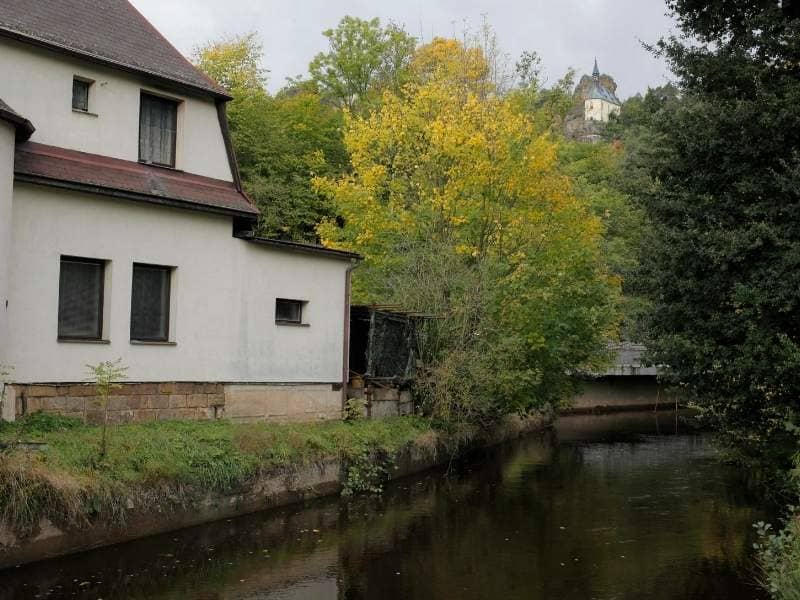
There’s a certain kind of property that stops people mid-tour. A creek running along the back edge of the yard. A low-lying lot tucked between two rises, with shade and quiet that’s hard to find anywhere else. These settings sell themselves, and that’s partly the problem. When a place feels right, buyers stop asking questions. An elevation certificate can be one of the most useful documents a buyer reviews before closing on land that sits near water or lower ground, and most people don’t think to ask for it until after they’ve already fallen in love with the place.
Water Has Always Been Part of the Story
People have built near water for a long time, and the reasons haven’t changed much. A creek in the backyard adds something to a property that can’t be installed after the fact. It creates a specific kind of atmosphere, cooler in summer, full of sound, with a quality of light that shifts through the day in ways that feel genuinely different from a standard suburban lot.
Low lots carry their own appeal. They’re often sheltered from wind, surrounded by mature trees and tucked into a setting that feels more private than properties on higher ground. Buyers respond to all of that immediately and emotionally, which is completely understandable. The natural character of a site is a real part of its value, and anyone who tells you otherwise has probably never stood at the edge of a well-positioned creek lot on a clear morning.
A Beautiful Setting Deserves Better Questions
Most buyers spend their energy on the house itself. Square footage, kitchen layout, storage, the condition of the roof. Those things matter, and nobody’s saying they don’t. But a property near a creek or on a low lot asks for a different kind of attention, because the land itself plays a bigger role in the ownership experience than it does on a standard flat lot in a typical subdivision.
The right questions aren’t complicated. They’re just different from the ones most buyers think to ask. How does the land drain after a heavy rain? Where does water go when the creek runs high? How does the elevation of the house compare to the surrounding grade and the flood data on file for that area? These questions don’t require a technical background to ask. They just require a buyer who’s curious enough to go past the surface of a setting they’re already attracted to.
Not Every Answer Comes From the House Itself
A lot of what buyers need to understand about a creek-adjacent or low-lying property isn’t visible from inside the house. It lives in the relationship between the structure and the land it sits on, and that relationship has been documented in ways that most buyers never see unless they ask.
An elevation certificate records where a structure sits in elevation relative to established flood data for the area. It’s a formal document prepared by a licensed surveyor, and it captures information about the site that photographs and listing descriptions simply don’t convey. For properties near creeks or on lots that sit below the surrounding grade, that document tells part of the story that the setting itself keeps quiet.
Buyers who review an elevation certificate before closing aren’t doing anything unusual or overly cautious. They’re doing what informed buyers do, which is looking at the property from more than one angle before committing to it long-term.
Buying a Property Means Inheriting Its Environment
A house can be renovated. The lot it sits on is permanent. When someone buys a creek-adjacent property or a low-lying lot, they’re taking on the land and everything that comes with it, the way it drains, the way it sits in the local topography, and the history that the elevation data reflects.
That’s worth understanding clearly before closing, and it’s worth understanding without anxiety too. Most buyers who purchase near water or on lower ground do so with their eyes open and stay happy with those properties for years. The ones who run into problems are usually the ones who fell hard for the setting and skipped the questions that would have given them a fuller picture going in.
Inheriting an environment isn’t a burden if you know what you’re inheriting. It’s just information, and information is always easier to work with before a decision than after it.
Confidence Often Begins With Curiosity
The buyers who seem most at ease with creek lots and low-lying properties aren’t the ones who ignored the setting’s characteristics. They’re the ones who asked about them directly and got real answers before they closed. That kind of confidence comes from knowing what you’re buying, not from pretending the questions don’t exist.
Asking for an elevation certificate isn’t a sign of worry. It’s a sign that a buyer understands the property well enough to want the full picture. The setting that drew them to the property in the first place is still there after they review the document. What changes is that they understand it more completely, and that understanding tends to make the ownership experience better, not worse.
People who know their property tend to enjoy it more. That’s true of creek lots, low-lying settings and just about every other kind of land that comes with a story worth knowing.
Frequently Asked Questions
Why should buyers ask about elevation before purchasing near a creek?
Properties near water features carry characteristics tied to how the land sits and drains, and understanding those characteristics before closing gives buyers a more complete picture of what they’re purchasing.
What information does an elevation certificate provide?
It contains elevation data prepared by a licensed surveyor that documents how a structure sits relative to flood reference points on file for that area, which can be useful for insurance, planning and ownership decisions.
Are low lots automatically considered high-risk properties?
No, each property has its own characteristics that are evaluated individually, and many low-lying lots are well-suited to long-term ownership when buyers go in with accurate information.
Why is the surrounding land important when buying a home?
The land shapes how a property drains, how it sits within its surroundings and how it behaves over time, all of which become part of the daily ownership experience after closing.
Can an elevation certificate help buyers make more informed decisions?
Yes, it gives buyers documented information about the property’s elevation and its relationship to local flood data, which helps them understand the site beyond what a standard listing or walkthrough reveals.
