
How to Find Property Lines Before Clearing Trees on a Wooded Lot
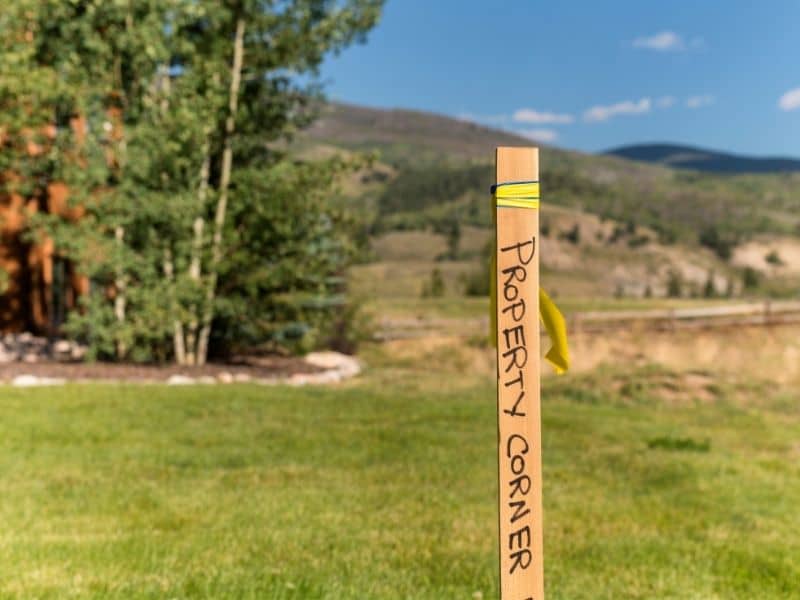
You’re standing at the edge of your lot, looking into the trees, and the whole place feels like it’s waiting for you to do something with it. Finding property lines before you start clearing is one of the most practical decisions a wooded lot owner can make, because once you start cutting, there’s no version of undoing it that doesn’t cost significantly more than doing it right the first time.
Wooded Land Has a Way of Making Everything Feel Possible
Dense trees do something interesting to people. They create the impression of endless space. You can’t see the edges clearly, so your mind fills them in generously, and suddenly the property feels bigger, more open and more flexible than it may actually be.
That feeling is part of what makes wooded lots appealing. There’s a sense of raw potential, of land that hasn’t been committed to anything yet. Owners imagine where the driveway will go, where the house will sit, where the workshop might fit behind a stand of mature oaks. The ideas come fast, and they tend to feel obvious, because the trees create a blank canvas that invites projection.
The problem with that feeling is that it’s based on what the property looks like, not on what it actually contains. Two different things.
Trees Can Hide More Than Just the View
A wooded lot hides the shape of the land. That’s the first thing most owners discover when clearing begins, because grade changes, drainage paths and low spots that were invisible under the canopy suddenly become very obvious once the trees come down. What looked like flat, usable ground turns out to slope more than expected, or drain toward exactly the spot where a foundation was planned.
But vegetation also hides boundaries, and this is where assumptions tend to get expensive. Most people judge the edges of a wooded lot by feel, by where the trees seem to thin out, where a creek runs, where a ridge changes direction, or where the neighbor’s cleared field begins. Those are reasonable instincts for navigating the land. None of them are reliable for locating a legal boundary.
A property line follows a recorded legal description, not the natural features of the terrain. A creek might run right through the middle of what’s yours. A ridge that feels like an obvious edge might sit fifty feet inside the neighbor’s parcel. The trees don’t know where the boundary is, and neither does any visual reading of the landscape, no matter how long an owner has been walking it.
The First Cut Is Hard to Undo
Mature trees take decades to grow. That’s not a dramatic observation, just a practical one. When a sixty-year-old oak comes down, it doesn’t come back in any timeframe that matters to the person who cut it. The clearing decision is permanent in a way that most other early project decisions simply aren’t.
This is what makes rushing into clearing so costly when property lines haven’t been confirmed. An owner who clears aggressively based on assumptions about where the boundary sits might remove trees that were standing on a neighbor’s land, or might clear right up to a line that turns out to be much closer to the planned building site than expected, leaving less usable space than the project needs. Either outcome is a problem, and both are preventable.
The sequence matters here. Clearing is irreversible. Surveying is not. Doing the survey first doesn’t slow a project down in any meaningful sense. It changes what gets cleared and why, which is a very different thing.
Good Projects Often Begin With Restraint
There’s a version of progress that looks like immediate action, and there’s a version that looks like understanding what you have before you change it. On a wooded lot, the second version tends to produce better outcomes, because the land holds information that’s much easier to read before the trees come down than after.
A land survey on a wooded lot does a few specific things that matter before clearing begins:
- It establishes where the legal boundary sits, based on recorded documents and physical monuments, not visual estimates
- It identifies any easements or right-of-way areas that affect where improvements can be placed
- It gives the owner accurate dimensions of the actual buildable area rather than an impression of it
None of that is complicated, but all of it changes how a clearing plan gets drawn. An owner who knows the boundary can clear right up to it confidently, or can choose to leave a buffer. An owner who doesn’t know the boundary is guessing, and guessing wrong on a wooded lot is a mistake you can see for a long time afterward.
Confidence Grows When the Unknown Starts to Disappear
The owners who move through a wooded lot project most smoothly aren’t the ones who started fastest. They’re the ones who spent time early understanding what they were working with, so every decision after that had a solid foundation under it.
When you know where your property lines sit, the whole project changes character. The clearing plan reflects reality. The driveway route accounts for the actual boundary, not an assumed one. The building site gets chosen based on what’s genuinely available, not what the canopy made it look like. That kind of clarity doesn’t slow things down. It removes the delays that come from finding out late that an assumption was wrong.
Wooded land rewards patience in the planning stage. The trees will still be there next week while the survey gets done, and the project will be better for it.
Frequently Asked Questions
Why is it important to identify property lines before clearing trees?
Clearing based on assumed boundaries can result in removing trees outside your property or losing usable space you didn’t know you had. Knowing the line first prevents both.
Can wooded lots make property boundaries difficult to recognize?
Yes, dense trees and natural features like ridges and creeks often make it hard to judge where a legal boundary sits. Visual reading of a wooded lot rarely matches what the recorded description says.
Is land surveying useful before beginning site preparation?
Yes, survey information tells owners exactly where their boundary sits and identifies any easements or restrictions before permanent changes are made to the land.
Why should owners avoid rushing into tree removal?
Mature trees can’t be replaced on a useful timeline. Removing them based on wrong assumptions about the boundary creates problems that are costly and sometimes impossible to fully fix.
How does land surveying support future plans on wooded land?
It gives owners accurate information about their actual property dimensions, easements and boundary locations so that every planning decision that follows is based on real conditions rather than assumptions.
