
What Is Land Surveying and Why It Matters
You have found the land and you are ready to build. But do you actually know where your property ends and your neighbor’s begins?
Land surveying is the process of measuring and mapping land. A licensed surveyor defines legal boundaries, checks for encroachments, and provides the data you need to build with confidence. In Chelsea, getting this step right can save you thousands of dollars and months of legal issues.
Skip it, and you are guessing. No one should be guessing when they are moving dirt.
What Is Land Surveying?
Land surveying is the science of measuring land. It tells you exactly where a parcel starts and stops. It also shows what’s on that land, what’s around it and how the ground sits.
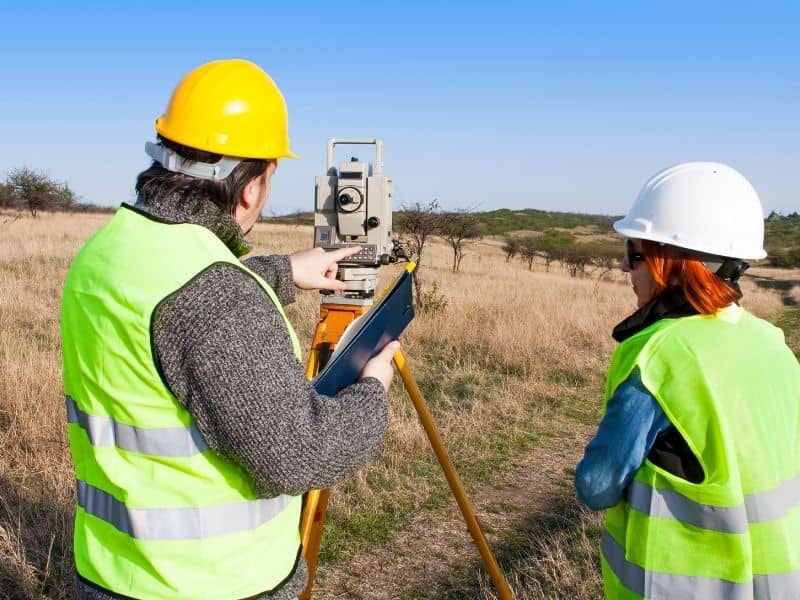
A licensed land surveyor uses GPS equipment, total stations and historical records to gather this data. The result is a legal document called a survey plat or survey map.
What Surveyors Measure
Surveyors measure more than just lines on a map. They document:
- Boundary lines and corners
- Elevation changes and slopes
- Existing structures, roads and utilities
- Easements and rights-of-way
- Flood zone designations
Each of these affects how you design and build on a site.
The History Behind It
Surveying is one of the oldest professions in the world. George Washington and Thomas Jefferson were both licensed surveyors. The Public Land Survey System, created in 1785, laid out much of the land grid used in Alabama today.
That history matters. Old surveys, old deeds and old corner markers all feed into modern boundary work. A surveyor traces that lineage every time they set foot on a parcel.
Why Land Surveying Matters for Developers
Developers deal with fast-growing suburban land. Lots get subdivided. Easements get missed. Roads get extended. Without a current survey, you’re working blind.
Legal Boundaries Protect You
Property disputes are more common than most people think. The American Land Title Association reports that title and boundary issues affect roughly 36% of real estate transactions. A survey gives you a legal record of where your land sits.
If a neighbor claims you’re building on their side, your survey is your defense.
You Need It to Get Permits
Shelby County requires surveys for most development permits. You can’t pull a grading or building permit without showing legal property lines and setbacks. No survey means no permit. No permit means no project.
Lenders and Title Companies Require It
Most lenders won’t finance a development without an ALTA/NSPS Land Title Survey. Title insurers need it to issue a clean policy. If you’re borrowing money to build, a survey isn’t optional.
Types of Surveys Developers Need
Not every survey is the same. Here are the main types developers use:
Boundary Survey. Defines the exact property lines. Required for most permit applications and real estate transactions.
ALTA/NSPS Land Title Survey. The most detailed survey type. Lenders and title companies need this for commercial deals. It shows boundaries, easements, encroachments and improvements.
Topographic Survey. Maps the elevation and features of the land. Engineers and architects use this to design grading plans, drainage systems and building pads.
Construction Staking. After design is approved, surveyors stake the site so contractors know where to build. This keeps your project in the right place.
Subdivision Plat. Required when you’re dividing one parcel into multiple lots. Shelby County requires this to be recorded before you can sell individual lots.
What Happens If You Skip the Survey?
Bad things. Real ones.
A developer in a nearby Shelby County area built a retaining wall three feet over the property line. The fix cost more than $40,000 and delayed the project by six months.
In Chelsea’s active market, lot lines aren’t always obvious. Tree lines, old fences and verbal agreements don’t hold up in court. A licensed survey does.
You might also find encroachments from neighbors, unrecorded utility easements or a corner of your lot sitting in a FEMA flood zone. Finding these before you buy is always cheaper than finding them after.
How to Choose a Land Surveyor
Look for a surveyor licensed in Alabama. The Alabama State Board of Licensure for Professional Engineers and Land Surveyors maintains a public database. You can verify any license there.
Ask these questions before you hire:
- Are you familiar with Shelby County’s platting requirements?
- Have you worked in Chelsea or nearby areas before?
- Do you carry errors and omissions insurance?
- How long will the survey take?
- What deliverables do I get?
Local experience matters. Chelsea has specific topographic conditions, a growing road network and active utility corridors. A surveyor who knows the area works faster and flags issues a generalist might miss.
Frequently Asked Questions
How much does a land survey cost?
Costs vary by survey type and parcel size. A basic boundary survey typically runs $500 to $2,000. An ALTA/NSPS survey for a commercial site can cost $3,000 to $10,000 or more. Topographic surveys depend on acreage and terrain.
How long does a land survey take?
Simple boundary surveys often take one to two weeks. ALTA surveys and subdivision plats can take four to eight weeks, depending on the title work and field conditions involved.
Do I need a survey before buying land?
Yes. A pre-purchase survey protects you from buying a parcel with encroachments, boundary disputes or undisclosed easements. It’s one of the best investments you can make before closing.
What’s the difference between a boundary survey and a topographic survey?
A boundary survey shows property lines and legal corners. A topographic survey shows the physical features of the land, like slopes, drainage patterns and existing structures. Developers often need both for a complete picture of a site.
