ALTA Survey: What It Is and Why Lenders Require It
You found the right property. The deal is moving. Then your lender sends a checklist, and somewhere near the top it says: ALTA survey required.
If you have never bought commercial property before, that line can feel confusing. This article explains what an ALTA survey is, what it covers, and why lenders won’t move forward without one.
What Is an ALTA Survey?
An ALTA survey, formally called an ALTA/NSPS Land Title Survey, is the most detailed type of property survey available in the United States. It is produced by a licensed land surveyor and follows national standards set by the American Land Title Association (ALTA) and the National Society of Professional Surveyors (NSPS).
Those standards apply in all 50 states and were last updated in 2021. That consistency is a big reason lenders trust it. Whether a property is in Alabama or anywhere else in the country, an ALTA survey carries the same meaning and meets the same requirements.
What an ALTA Survey Documents
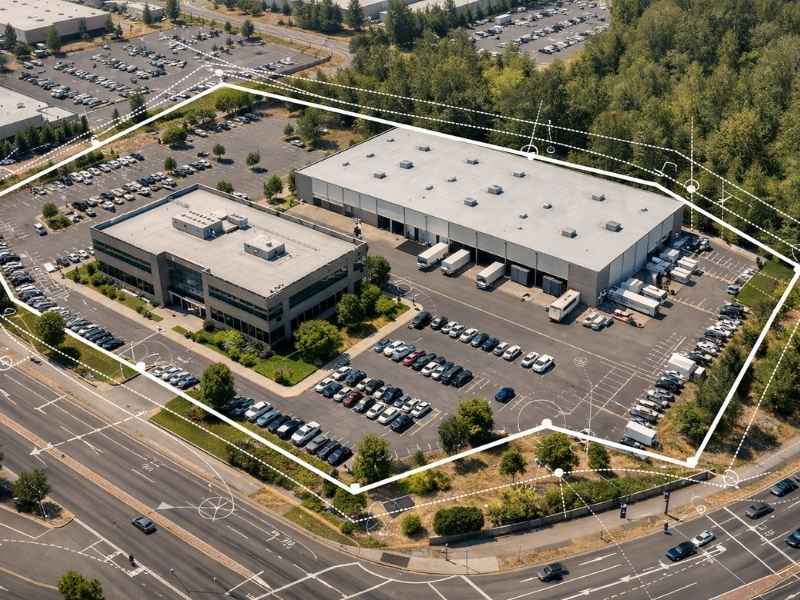
A completed ALTA survey is more than a map. It gives a full picture of the property by documenting:
- Legal boundary lines and corners
- Easements and rights-of-way
- Encroachments from neighboring properties or improvements
- Existing buildings, parking lots, and driveways
- Visible utility lines above and below ground
- Flood zone designations
- Zoning setbacks
- Legal access to a public road
This level of detail is what sets an ALTA survey apart from other survey types. A basic boundary survey shows where the property lines are. An ALTA survey shows everything that affects how the land can be used and what complications might come with it.
Why Lenders Require an ALTA Survey
When a bank or commercial lender approves a loan, they are taking on significant financial risk. If an easement cuts through the middle of a building, or a neighbor’s structure crosses the property line, the value of that property drops. The lender’s collateral is affected before they even know about it.
An ALTA survey puts all of that information on the table before the deal closes.
Beyond the lender, title insurance companies also rely on the ALTA survey. Title insurers use it to issue what is called an extended coverage policy. Without the survey, they can only issue a standard policy, which excludes coverage for things like encroachments and unrecorded easements. Most commercial lenders will not accept a standard title policy. They require extended coverage, and that requires an ALTA survey.
ALTA Survey vs. Boundary Survey
People often ask whether these two are the same thing. They are not.
| Feature | Boundary Survey | ALTA Survey |
| Property lines | Yes | Yes |
| Easements | Sometimes | Always |
| Encroachments | Sometimes | Always |
| Improvements mapped | No | Yes |
| Flood zone noted | No | Yes |
| Utilities located | No | Yes |
| Meets national standards | No | Yes |
| Required for commercial lending | No | Yes |
A boundary survey works well for residential transactions, fence disputes, and simple lot purchases. Commercial real estate requires the ALTA survey because the stakes are higher and the due diligence needs to go deeper.
What Are Table A Items?
The national ALTA standards include an optional checklist called Table A. These are additional tasks that a lender or title company can request on top of the base survey.
Common Table A items include:
- Item 1: Corner monuments placed at property corners
- Item 2: Street address of the property
- Item 4: Parking count and layout
- Item 6: Zoning classification and required setbacks
- Item 7(a): Exterior dimensions of all buildings
- Item 11: Utility line locations
- Item 13: Names of neighboring property owners
- Item 19: Wetland boundaries
Your lender or title company will specify which items they need. Most commercial transactions require at least Items 1, 2, 6, 7(a), and 11. Go over the full list with your surveyor before work begins so there are no surprises.
How Much Does an ALTA Survey Cost?
ALTA surveys typically cost between $2,000 and $10,000 for most commercial properties. Larger or more complex sites can cost more. The final price depends on the size of the property, the number of Table A items requested, the condition of existing records, and the complexity of the title commitment.
A general cost range by property size:
- Under 1 acre: $2,000 to $4,000
- 1 to 5 acres: $4,000 to $7,000
- Over 5 acres: $7,000 or more
Costs tend to go up when corner monuments are hard to find, when the title commitment has complicated easement language, or when the property sits in a wooded or sloped area. Always ask for a written estimate before work begins. A good surveyor will review the title commitment and aerial images first so the quote is based on real information, not a guess.
How Long Does an ALTA Survey Take?
Most ALTA surveys take three to six weeks from the time they are ordered. The process has several moving parts:
- Title commitment review. The surveyor needs a copy of the title commitment, which lists recorded easements and exceptions. This document comes from the title company and can take one to two weeks to arrive.
- Field work. The surveyor visits the property to locate corners, measure improvements, and document site conditions. This usually takes one to three days.
- Records research. The surveyor pulls deed records, plat maps, and any prior surveys from the county. Complex records can add time.
- Drafting and certification. The final drawing is prepared, reviewed, and certified to the buyer, lender, and title company.
If your contract has a 45-day due diligence period, order the survey on day one. Waiting until the middle of the window is one of the most common mistakes in commercial transactions.
Who Can Perform an ALTA Survey?
Only a licensed professional land surveyor can perform and certify an ALTA survey. In Alabama, that means a surveyor licensed by the Alabama State Board of Licensure for Professional Engineers and Land Surveyors. You can verify any license through their public database.
The survey must be certified to three parties: the buyer, the lender, and the title company. That certification is what allows the title company to issue extended coverage.
